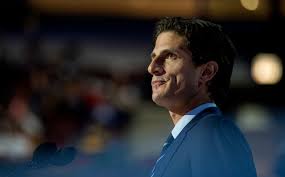
As American politics continues to grapple with generational change, a younger and unconventional candidate has entered the conversation: Jack Schlossberg, 32, the only grandson of John F. Kennedy. Despite being a part of the most famous American political dynasty, he presents himself as a distinctly modern voice in the Democratic party shaped by social media and digital culture.
Schlossberg was born in New York City to Caroline Kennedy and Edwin Schlossberg, growing up in a family where public service was not just a career but an expectation. He attended Yale University before earning both a law degree and an MBA from Harvard, an academic path that mirrors the Elite education often associated with his family name. Despite these traditional credentials, Schlossberg has carved out a public identity that feels noticeably different from past generations of political figures.
Before launching his political campaign, Schlossberg worked as a writer and political correspondent, including time working at Vogue, where he covered national politics through a cultural lens. Rather than focusing solely on policy details, his writing emphasized how politics interacts with everyday life. A theme that continues to define his public persona.
In late 2025, Schlossberg announced his candidacy for the U.S. House of Representatives in New York’s 12th Congressional District. His campaign centers on issues that resonate strongly with younger voters, including the rising cost of living, government accountability, climate action, and restoring trust in Democratic institutions. While the Kennedy name brings instant recognition, Schlossberg has emphasized that his campaign is about the future rather than nostalgia.
What truly sets Schlossberg apart is how he communicates. Unlike many politicians who rely on polished speeches and formal press releases, Schlossberg has built a strong presence on platforms like Ticktock and Instagram. His posts often blend humor with commentary, mixing self-aware jokes, casual delivery, and pop culture references with serious political messages. One moment he may be discussing civic responsibility, the next he’s participating in an internet trend.
This quirky online presence has made him especially appealing to Gen-Z and young Millennial audiences, many of whom feel disconnected from traditional politics. Schlossberg’s content doesn’t feel scripted or distant; it feels like someone speaking directly to their peers. While some critics question whether his approach undermines the seriousness of politics, supporters argue that it makes civic engagement more accessible and relatable.
Schlossberg’s rise reflects a broader shift and how political figures connect with the public. Younger voters are increasingly consuming information online, and candidates who understand digital culture may have an advantage in reaching them. By leaning into authenticity rather than formality, Schlossberg represents a new model of political engagement.
Whether or not Jack Schlossberg’s campaign is ultimately successful, his presence signals an important change. He embodies the tension between legacy and innovation, tradition and transformation. In doing so, he offers a glimpse of what the next generation of political leadership might look like, and how politics will proceed within the foreseeable future.