
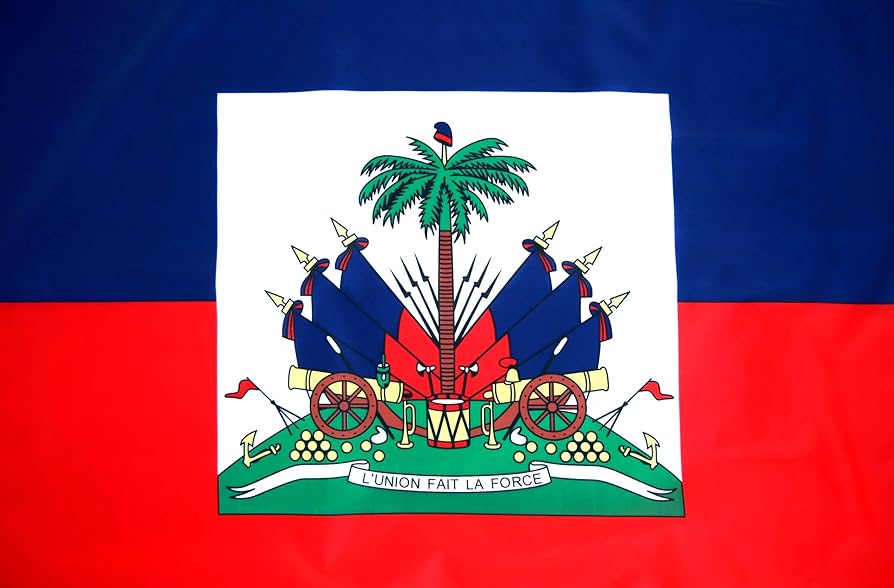
Many people may have seen a girl, JuJu, walking the halls with a Haitian flag on her hip.
Maybe you saw her at a track meet dressed in full Haitian attire.
That was because May 18th is Haitian flag day and it is celebrated throughout her home country, Haiti. Many Haitian people in America, Canada, and throughout the world represent their culture on this very day because of the rich history behind it. I’m Juju and it’s time to discuss the history of the Haitian flag and what it represents.
During the Haitian revolution, Jean-Jacques Dessaline removed the white from the French flag since Haiti was a French colony and had beaten France in the Haitian Revolution. That alone symbolized the rejection of colonial rule, leaving blue and red for the united people of Haiti. After that, the flag was changed to black and red for Haiti in 1805, a year after independence was born. The colors symbolized the new black nation born from the revolution and the blood shed for independence. After the death of Jean-Jacques Dessalines, Haiti went back to blue and red and had installed the image of the palm tree seen in the middle of the flag. Some years later, president Francois Duvailer restored the black and red flag and it remained the national flag until 1986. After Duvailer’s presidency, the Blue and red returned and it remains as Haiti’s flag in modern day.
Haiti’s history is rich and we have endured a lot for our country. As one of the few Haitian people in Northport High School, I will forever represent my people and my country. Haiti.



















Carly Heffernan • Jun 12, 2026 at 11:59 am
I like the use of the third person perspective here for your hook. Glad you shared this about Haiti’s flag. Haiti has very interesting history.